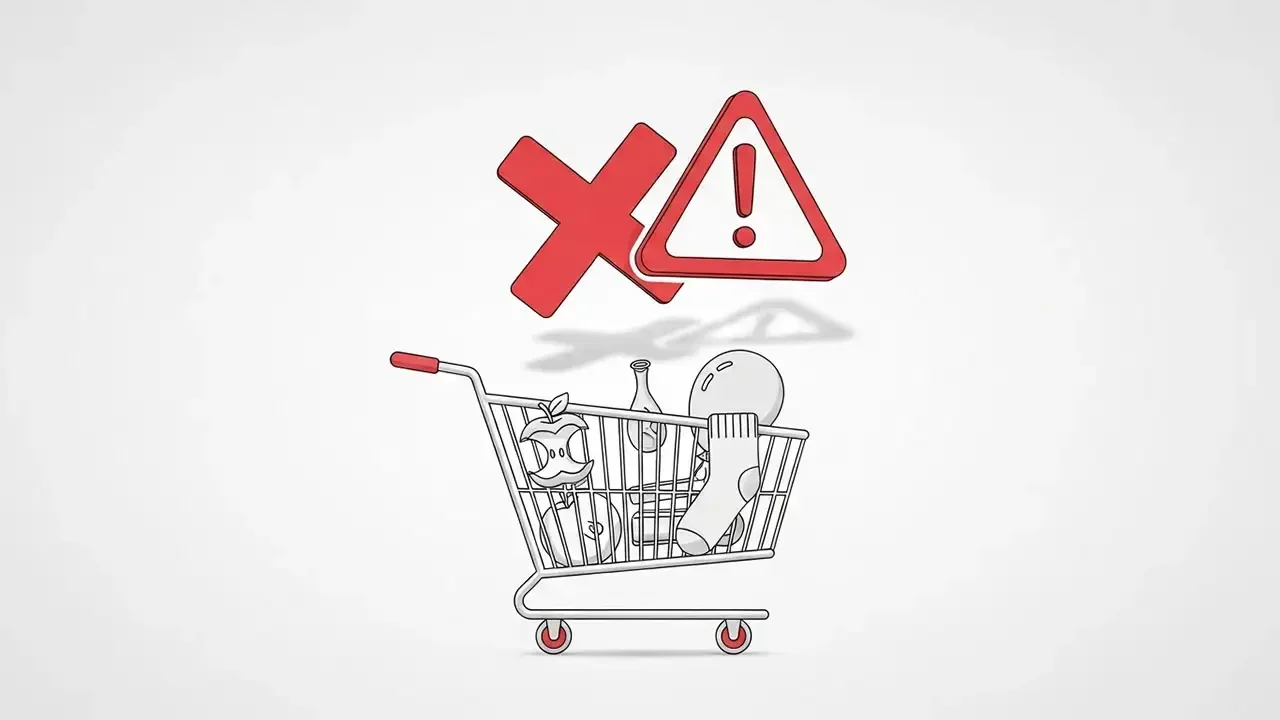
The $4.6 trillion problem:
Why 7 out of 10 shoppers leave
We know the feeling well. I have seen countless clients put immense effort into their e-commerce stores. They attract the right visitors, craft compelling product pages, and guide shoppers right to the cart.
You are right there at the finish line. But then they leave.
This silent killer is known as cart abandonment, and it is the single biggest obstacle to e-commerce profitability. According to the latest research by the Baymard Institute, the average abandonment rate hovers just under 70%. That means seven out of every ten potential sales walk right out the digital door, representing trillions in lost revenue globally.
As a Digital Strategist, I observe the same fundamental friction points across businesses large and small. The great news is that most abandonment is not due to a price problem. It is a friction problem.
Let’s dive into the seven proven fixes I implement for my clients to turn browsers into committed buyers.
Eliminate checkout friction:
Simplify, Simplify, Simplify
The Buyer’s Complaint: “I do not have all day for this form.”
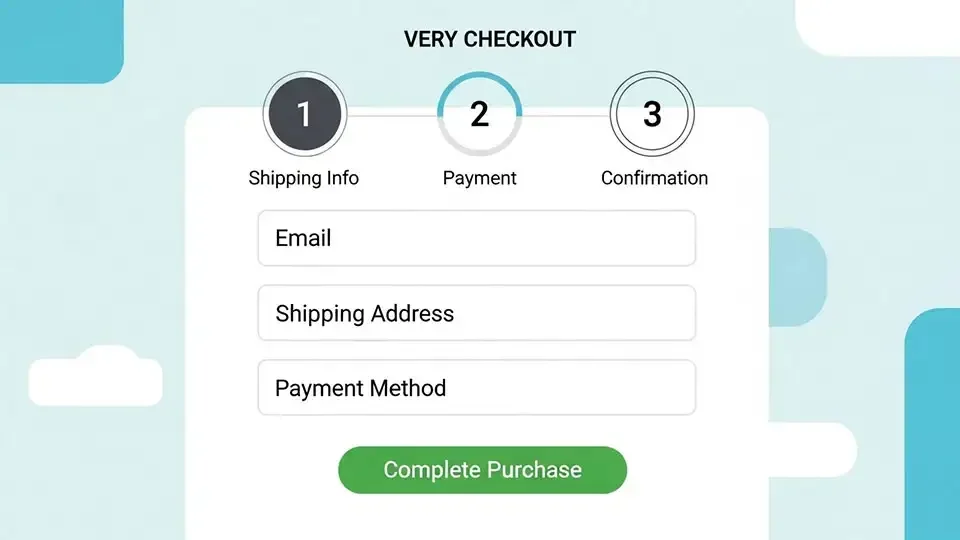
Long, multi-page, demanding checkout processes are the number one reason customers quit. A shopper is ready to give you their money, but your process is actively making it difficult for them.
Our Fix: Your checkout must be lean and fast.
- Reduce Steps:
We aim for a maximum of three to four key steps. - Progress Indicator:
Clearly show users where they are in the process, such as "Step 2 of 3", to reduce anxiety and commitment fatigue.
Ditch the mandatory account creation
The Buyer’s Complaint: “I just want to buy this one thing.”
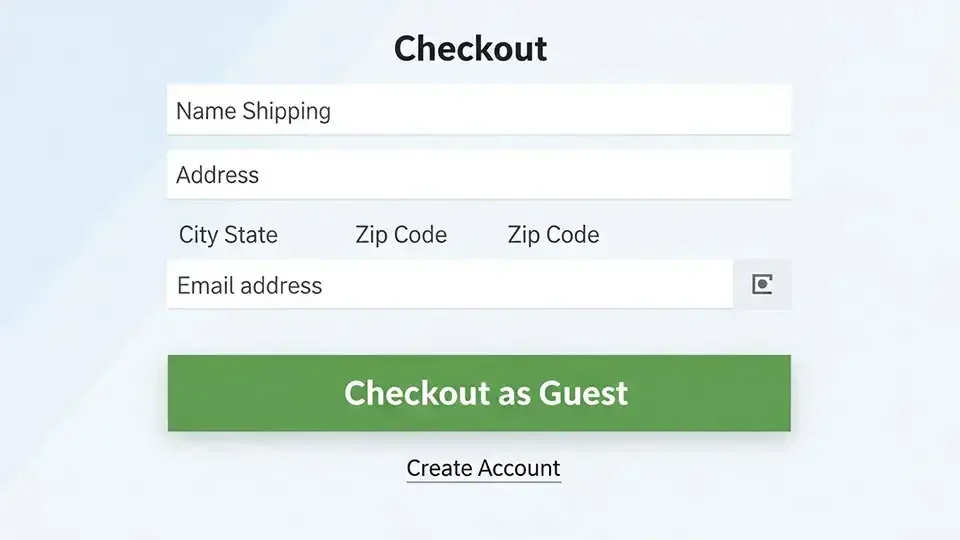
Forcing account creation before purchase adds unnecessary friction. It implies a long-term commitment that the shopper might not be ready for yet. This is often an internal data desire that conflicts with the customer’s desire for speed.
Our Fix:
Offer Guest Checkout. This is non-negotiable for my projects. I always advise asking them to create a password after the purchase is complete by leveraging the momentum of a successful transaction.
Transparency is trust:
Show all costs upfront
The Buyer’s Complaint: “Wait, where did that $15 shipping fee come from?”
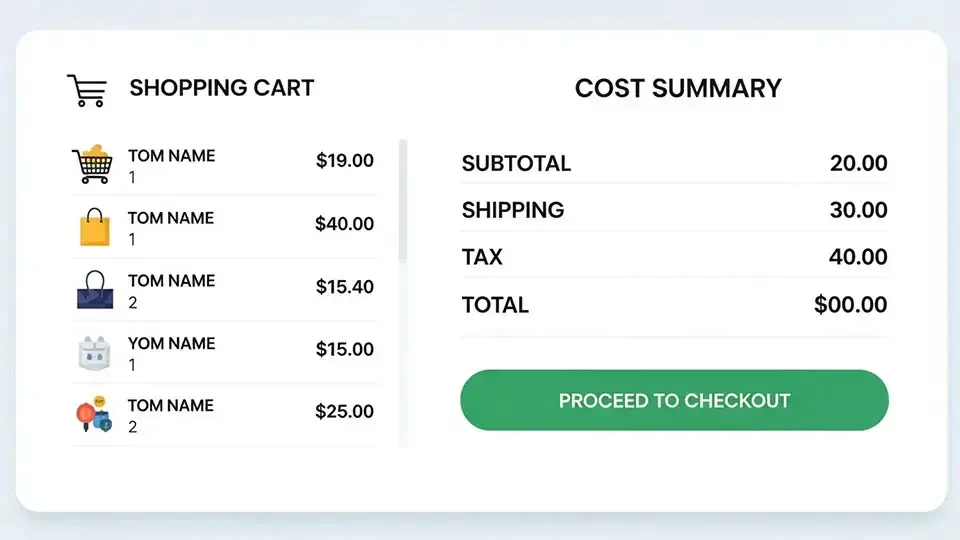
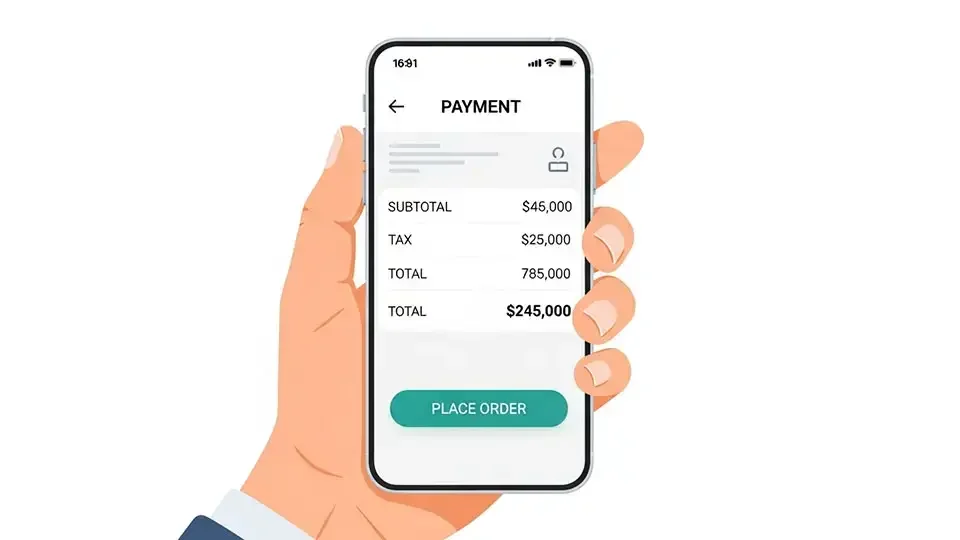
Hidden fees, high shipping costs, or unexpected taxes revealed only at the final step are the quickest way to destroy trust. This surprise is a primary driver of abandonment.
Our Fix:
Show All Costs on the Product Page. I recommend using a reliable geo-locator tool to estimate shipping costs as soon as the customer adds an item. If possible, set a highly visible free shipping threshold, such as “Only $20 away from free shipping!”, to encourage a slightly larger order and remove the cost surprise entirely.
Build authority:
Optimize for mobile-first purchasing
The Buyer’s Complaint: “This button is too small, and I cannot read the text.”
Today, most traffic and conversions happen on mobile devices. A checkout optimized for desktop but clumsy on a phone is a serious failure.
Our Fix:
Test, Test, Test on Mobile. Your checkout flow must be flawless on a smartphone. Buttons should be large and easily tappable, form fields should be simple, and the process should require minimal scrolling.
Real-World E-E-A-T Impact:
This principle of mobile-first optimization is rooted in my professional experience. In a recent project for our client Mecomed, a leading medical distributor, we focused heavily on mobile responsiveness and speed.
The results were transformative. The new website loaded 84% faster and reduced the bounce rate by 81%. This rigorous approach to UX ensures that once a user arrives, they stay, engage, and convert.
Transparency is trust:
Show all costs upfront
The Buyer’s Complaint: “Wait, where did that $15 shipping fee come from?”
Hidden fees, high shipping costs, or unexpected taxes revealed only at the final step are the quickest way to destroy trust. This surprise is a primary driver of abandonment.
Our Fix:
Show All Costs on the Product Page. I recommend using a reliable geo-locator tool to estimate shipping costs as soon as the customer adds an item. If possible, set a highly visible free shipping threshold, such as “Only $20 away from free shipping!”, to encourage a slightly larger order and remove the cost surprise entirely.
Transparency is trust:
Show all costs upfront
The Buyer’s Complaint: “Wait, where did that $15 shipping fee come from?”
Hidden fees, high shipping costs, or unexpected taxes revealed only at the final step are the quickest way to destroy trust. This surprise is a primary driver of abandonment.
Our Fix:
Show All Costs on the Product Page. I recommend using a reliable geo-locator tool to estimate shipping costs as soon as the customer adds an item. If possible, set a highly visible free shipping threshold, such as “Only $20 away from free shipping!”, to encourage a slightly larger order and remove the cost surprise entirely.
Transparency is trust:
Show all costs upfront
The Buyer’s Complaint: “Wait, where did that $15 shipping fee come from?”
Hidden fees, high shipping costs, or unexpected taxes revealed only at the final step are the quickest way to destroy trust. This surprise is a primary driver of abandonment.
Our Fix:
Show All Costs on the Product Page. I recommend using a reliable geo-locator tool to estimate shipping costs as soon as the customer adds an item. If possible, set a highly visible free shipping threshold, such as “Only $20 away from free shipping!”, to encourage a slightly larger order and remove the cost surprise entirely.
Transparency is trust:
Show all costs upfront
The Buyer’s Complaint: “Wait, where did that $15 shipping fee come from?”
Hidden fees, high shipping costs, or unexpected taxes revealed only at the final step are the quickest way to destroy trust. This surprise is a primary driver of abandonment.
Our Fix:
Show All Costs on the Product Page. I recommend using a reliable geo-locator tool to estimate shipping costs as soon as the customer adds an item. If possible, set a highly visible free shipping threshold, such as “Only $20 away from free shipping!”, to encourage a slightly larger order and remove the cost surprise entirely.
Transparency is trust:
Show all costs upfront
The Buyer’s Complaint: “Wait, where did that $15 shipping fee come from?”
Hidden fees, high shipping costs, or unexpected taxes revealed only at the final step are the quickest way to destroy trust. This surprise is a primary driver of abandonment.
Our Fix:
Show All Costs on the Product Page. I recommend using a reliable geo-locator tool to estimate shipping costs as soon as the customer adds an item. If possible, set a highly visible free shipping threshold, such as “Only $20 away from free shipping!”, to encourage a slightly larger order and remove the cost surprise entirely.